
Wood floor restoration is a significant process that can transform and bring new life to damaged or aged floors. Due to several factors like wear and tear, moisture, and daily usage, wood floors can become worn out over time. Spills, scratches, and constant exposure to sunlight can diminish the floor’s overall appearance, functionality, and safety, which can also lead to possible hazards.
When confronted with the issue of damaged wood floors, property owners often face a crucial decision: should they replace their wood floors entirely or opt for professional restoration?
Even though replacement seems like a straightforward solution, professional wood floor restoration is a financially rewarding project that a homeowner can take on. However, it rarely gets the credit it deserves. It can bring warmth, character, and long-term value.
In this article, we look at whether wood floor restoration is worth it.
Preservation of Original Character and Value
Older homes and historic buildings usually feature timber floors that may not be readily available. These floors have unique grain patterns, colouration, and craftsmanship that modern materials may not be able to replicate. Wood floor restoration preserves the original characteristics of flooring, which helps in maintaining the authenticity and value of the property.
An Auckland flooring specialist will carefully assess the condition of your flooring and use techniques that respect its design. Rather than stripping away the original characteristics of your floors, restoration enables you to preserve them.
Enhanced Aesthetic Appeal
Wood floor restoration also greatly enhances and transforms your space. Skilled flooring specialists and technicians can address issues like dents and discolouration and restore the natural beauty of the wood floor beneath the years of wear and tear. Modern wood floor restoration techniques also offer a wide range of customisation options such as selecting a new stain colour and choosing a matte, satin, or glossy finish.
Increased Durability and Longevity
Investing in a professional wood floor restoration is worthwhile since it also helps strengthen and protect your floors for years to come. During the restoration process, technicians can also help identify and repair any structural issues. This includes loose boards, gaps, or water damage. The sanding and refinishing process of the restoration removes surface imperfections and applies protective coatings that shield the wood from future damage.
Sustainability
Opting to restore wooden floors rather than replacing them is an environmentally friendly solution. Manufacturing new flooring for properties involves harvesting trees, processing lumber, and transporting materials. Furthermore, old discarded flooring is sent to a landfill, which contributes to environmental waste.
Restoring wood floors instead of a full replacement can prevent this waste and extend the lifespan of the floor that was already there. It reduces the need for new resources and minimises environmental impact in the long run.
Healthier Indoor Environment
Worn or damaged wood floors can trap dust, allergens, and mould spores in cracks and crevices, contributing to poor indoor air quality. Professional restoration eliminates these issues by sealing gaps and applying smooth, protective finishes. Many restoration companies also offer low-VOC (volatile organic compounds) or water-based finishes, which reduce the emission of harmful chemicals during the refinishing process.
A restored floor not only looks cleaner but also promotes a healthier living or working environment for your family, employees, or customers.
Minimal Disruption and Faster Turnaround
Replacing a wood floor is a major project that can take weeks and disrupt your daily routine. Restoration, in comparison, is typically much faster and less invasive. Professional teams are equipped to handle even large projects efficiently, often completing the job in a matter of days.
This means less inconvenience, less mess, and a quicker return to normal life or business operations. For commercial properties, minimising downtime is a critical consideration, making restoration an attractive option.
What Is the Wood Flooring Restoration Process?
The wood floor restoration process involves various steps to repair and revitalise an existing wooden floor. This includes the following:
Initial Inspection of Damage
Initial inspection and assessment is the first step, as it helps determine the extent of the damage and the proper floor restoration method. The inspection involves looking at the condition of the flooring, identifying problem areas, and choosing whether a simple repair, full refinish, or other restoration methods are required.
Preparation of the Area
Preparation of the area, which includes removing furniture and ensuring the work area is clear. This step is important to provide access to the full flooring surface and protection against dust and debris during restoration.
Sanding
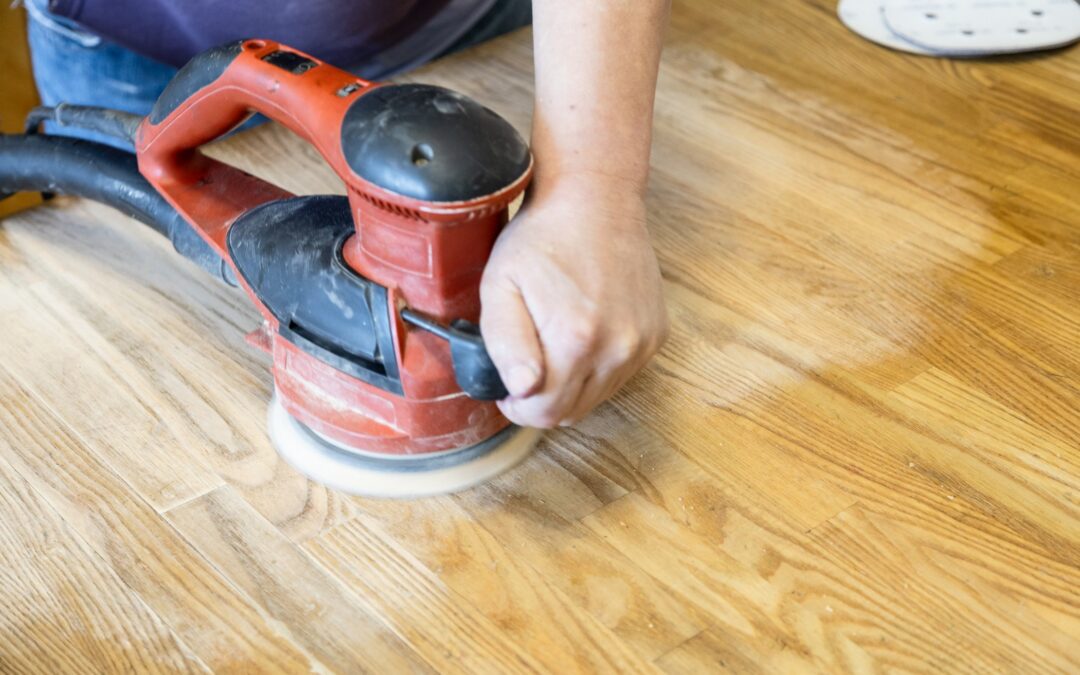
Sanding the floor is a transformative stage in the restoration journey, as it gently strips away years of scratches, scuffs, and the faded old finish, revealing the fresh, untouched wood beneath. It also erases the little reminders of daily life, like scratches and dents from dropped objects.
Many homeowners find this stage especially rewarding, as they see their floor’s character re-emerge and imperfections disappear with each pass of the sander. By carefully smoothing out uneven boards and addressing flaws, sanding sets the foundation for a beautiful, revitalised floor that feels brand new underfoot.
Repairs
At this stage, attention shifts to repairing any damage uncovered during sanding. This may include replacing severely damaged planks, tightening or securing loose or squeaky boards, and carefully filling gaps, cracks, or dents. Wood putty or special fillers are used to blend seamlessly with the existing floor, restoring both aesthetics and ensuring the longevity and safety of your restored floor.
Finishing
Applying a protective finish to seal the wood and provide a durable top layer. The finishing enhances the floor’s aesthetic appeal and serves as a barrier against wear, spills, and stains.
Polishing
Polishing the floor to a desired sheen is the final touch in the restoration process. This step not only enhances the floor’s natural lustre but also provides a smooth, reflective surface that highlights the wood’s grain and character. The sheen can range from a subtle matte to a high-gloss finish.
A meticulous buffing and polishing routine removes any remaining fine dust and evens out the finish, ensuring a flawless, attractive appearance. Ultimately, this attention to detail creates a professional, inviting look and protects the restored floor for years to come.

Restore Your Timber Floors With Professionals at Floorsanding NZ
If you are considering timber floor restoration in Auckland, Floorsanding NZ is here to help.
At Floorsanding NZ, our experienced team of professionals are passionate about providing exceptional craftsmanship and customer service. We help preserve your flooring with wood floor restoration services, floor sanding, and retail floor polishing options that fit households and business properties.
Get in touch with us today to arrange a free consultation, and we’ll show you how we can bring back the natural beauty and longevity of your timber floors.