
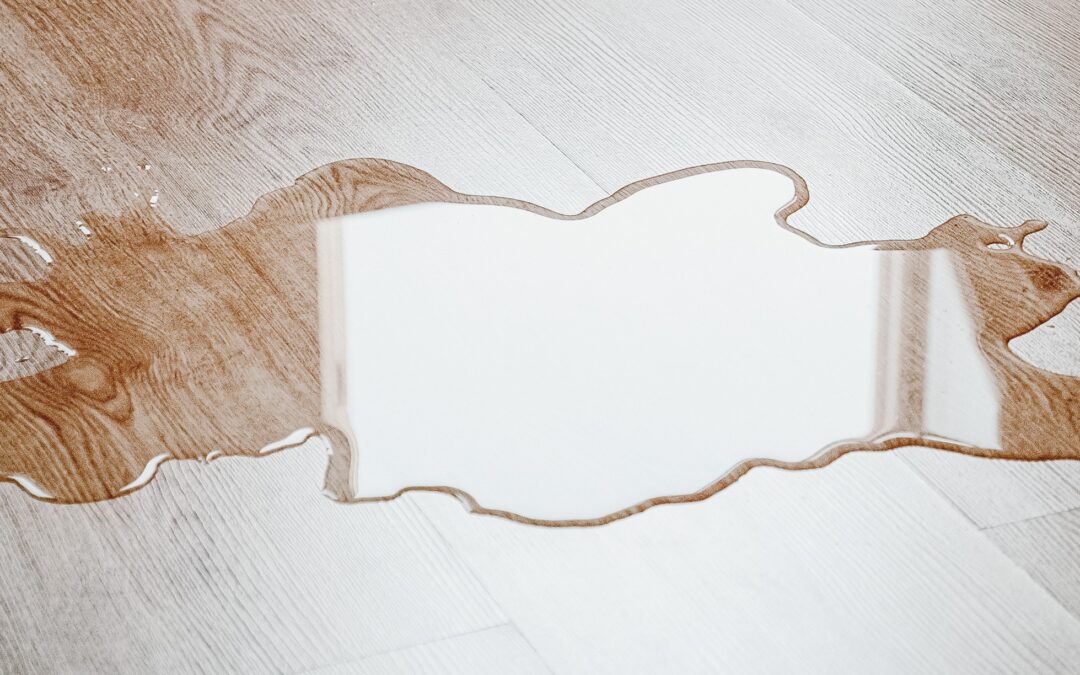
When the topic is about timber flooring, water damage is one of the most common headaches of homeowners.
It doesn’t matter if it is a leaky pipe or an overflowing appliance, stormwater seeping in, or even an accidental spill left unattended; the moisture from water can swiftly ruin the structural integrity of your floors. Good thing not every water-damaged wooden floor needs replacement.
In such situations, fast action and having the right professional can keep the flooring in place and help it return to its original, natural beauty.
Want to ease that headache about your water-damaged floor repair in Auckland?
Have a better understanding of how water affects timber flooring and warning signs, and know when to seek expert help as we go through the best ways to save your floor from water damage.
How Does Water Damage Wood Floors?
Since wood is a natural material, it absorbs and releases moisture depending on its environment, and when it comes into contact with timber flooring, the wood fibres begin to absorb moisture and expand. If left untreated, this can lead to a range of issues, including:
- Warping and cupping.
- Buckling and lifting.
- Discolouration and staining.
- Mould and mildew growth.
- Structural weakening.
- Separation between floorboards.
The severity of the damage often depends on how much water is involved, how long the floor stayed wet, and what kind of timber flooring was installed.
Signs Your Wood Floors Have Water Damage
Some forms of water damage are obvious, while others develop gradually over time. Homeowners should look out for the following warning signs:
Cupping
Cupping happens when the edges of the floorboards seem higher than the middle, creating a hollow, concave look. Usually, this is one of the first signs of a moisture imbalance inside the timber, which is sort of imprecise at the start but still noticeable.
Crowning
In contrast to cupping, crowning happens when the centre of the board rises above the edges. This can occur if a previously cupped floor is sanded before it has fully dried.
Buckling
Buckling is one of the most severe types of water damage. The boards lift right off the subfloor entirely, where you can clearly see gaps creating an uneven surface that just doesn’t sit right.
Staining and Discolouration
Dark spots, grey patches, or even watermarks often mean there’s been some long-term moisture hanging around, in a way. While some can be eased away with restoration, if the discolouration has sunk in deeper, it might call for more extensive repairs.
Mould Growth
If moisture remains trapped beneath the flooring, mould can develop. Aside from damaging the timber, mould can also affect indoor air and water-damaged wood floors’ quality and pose health risks.
The Importance of Acting Quickly
Time is one of the most important factors in figuring out if it can still be saved or not. When water damage happens, acting right away can help stop any further deterioration.
If repairs get delayed, the moisture tends to seep further into the timber and also into the subfloor, and that increases the chances of it becoming permanently damaged.
The first steps typically include:
- Identifying and stopping the source of water.
- Removing standing water.
- Improving ventilation and airflow.
- Contacting a flooring professional for assessment.
Prompt intervention often leads to lower repair costs and a greater chance of successful restoration.
The Water-Damaged Floor Repair Process
Professional water-damaged floor repair in Auckland usually goes through a few stages, designed to bring back both the look and the stability of the flooring.
Comprehensive Assessment
Thorough inspection is the foundation of a reliable repair, as it makes sure no spot or damage is swept under the rug. Usually, professionals use moisture metres and other diagnostic tools to determine the extent of water penetration and identify affected areas.
Moisture Removal and Drying
Industrial-grade drying equipment is used to remove excess moisture from the timber and subfloor. This stage is a vital part of repairing or refinishing a floor, as it is only when the floor is fully dried that it can fully recover.
Board Repairs and Replacement
Damaged boards that can’t really be salvaged are carefully taken out and swapped back in. The idea is to keep everything looking seamless while still making sure the overall frame stays structurally solid and stable.
Sanding and Surface Preparation
Once the floor has stabilised, sanding gets rid of stains, scratches, and those small surface imperfections that show up after a while. It also prepares the timber for the next stage, the refinishing.
Refinishing and Protection
A new protective coating is applied to restore the floor’s appearance and provide ongoing protection against wear and moisture.
When Replacement Becomes Necessary
While many water-damaged floors can be restored, there are situations where replacement may be the most practical solution.
Replacement may be recommended if:
- The subfloor has sustained extensive damage.
- Mould contamination is widespread.
- The timber has begun to rot.
- Structural stability has been compromised.
- Multiple flooring layers have been affected.
A qualified flooring professional can help determine whether restoration or replacement offers the best long-term value.
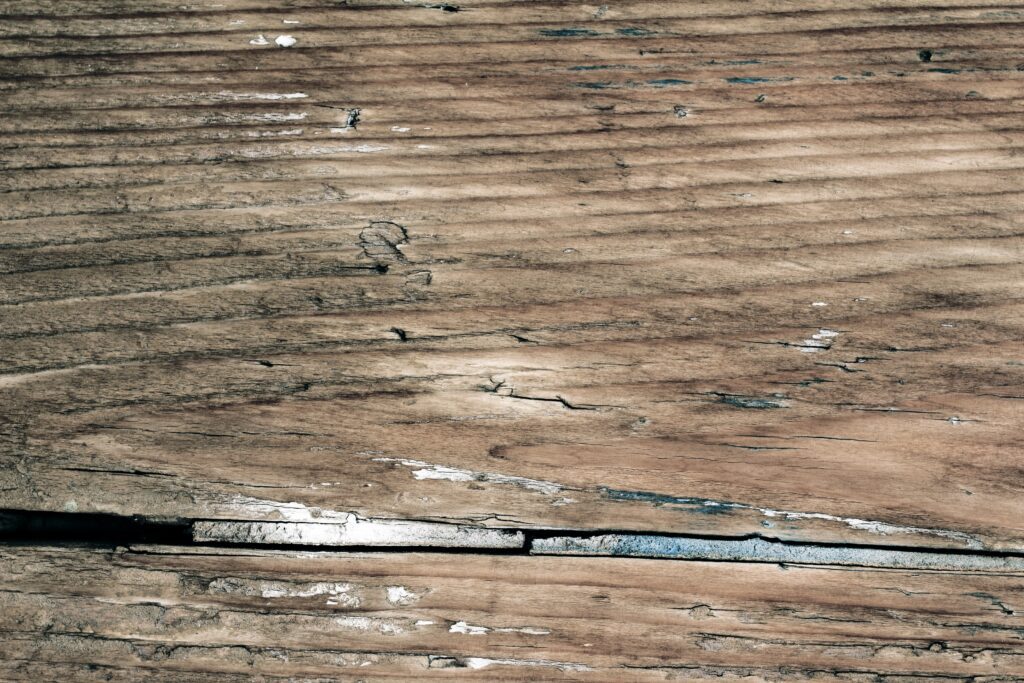
Why Professional Restoration Matters?
Often, homeowners underestimate the complexity of water damage restoration, leaning towards self-help options. While DIY solutions may seem tempting, improper drying or repairs can lead to recurring issues and higher costs in the future.
On the other hand, an experienced Auckland flooring specialist understands how timber responds to moisture and has access to specialised equipment that ensures accurate assessment and effective restoration.
The key is to move fast, deal with the moisture origin, and get expert help before the damage gets any worse. Even if it’s just small marks or there’s more serious water intrusion, professional water-damaged floor repair in Auckland can help figure out the best way forward and keep your investment safe.
Need Expert Help with Water-Damaged Timber Floors?
Water damage doesn’t always mean you must replace the whole floor. With the proper know-how and quick action, a lot of timber floors can be brought back to their original look and strength.
At Floor Sanding NZ, our team has the experience to check, fix, and renew water-affected timber flooring across Auckland. Maybe it’s just light staining, a bit of cupping or warped boards, or something more serious from ongoing moisture. Either way, we use proven methods, along with industry-leading gear, so the finish holds up over time.
Call Floor Sanding NZ today for a professional inspection, then find the most cost-effective path forward. Honestly, your timber flooring might be salvageable more than you expect.