
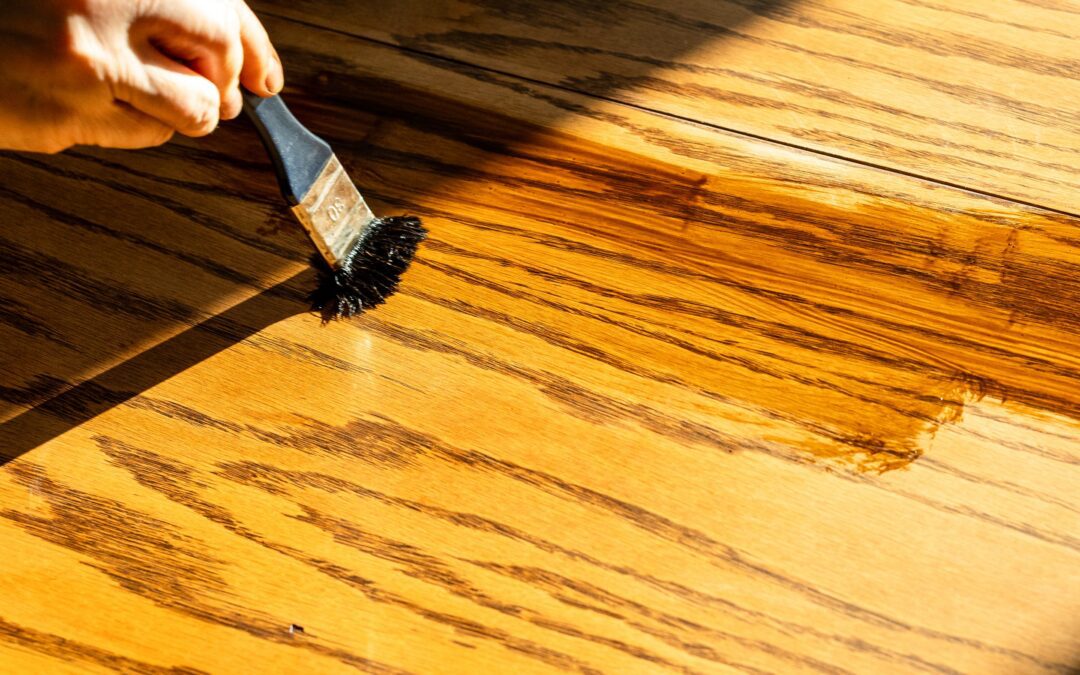
Before hiring a wood floor varnishing company, ask about their experience, preparation process, varnish products, project timeline, maintenance requirements, and what is included in the quote. The right questions can help you avoid poor workmanship, unexpected costs, and a finish that wears out sooner than expected.
Timber floors can lose their shine, develop scratches, and show signs of everyday wear over time. Professional varnishing can help protect the surface and give the floor a cleaner, more even finish, but the quality of the result depends heavily on how the work is prepared and carried out.
If you’re considering floor varnishing in Auckland, these 10 questions can help you compare companies and choose a service that fits your floor, budget, and expectations.
1. Do You Have Experience With Timber Floors Like Mine?
Timber floors vary a lot from place to place. The wood species matters, and so does the age of the boards. The kind of finish on the floor now also plays a role. Even the current wear and damage can change the next steps. Before you start, talk to the company you plan to hire. Ask if they have done repairs on floors that match yours.
A solid contractor can look at the surface and explain what fits your case. That might mean sanding, filling in damaged spots, fixing loose areas, polishing, or putting on a new top coat. In some situations, the best move is a full restoration, followed by a proper varnish finish.
2. Will You Inspect the Floor Before Giving Me a Quote?
Start by looking at your floor in person.
Before any work starts, ask the contractor if they will inspect the boards and the surface. While they are there, they should point out scratches and stains. They should also check for boards that are loose or damaged. They should look for a finish that has worn down over time. They should also note any uneven areas, since those can affect how the job is done.
After the inspection, you can confirm if sealing or varnishing is truly the best option.
3. Will My Floor Need Sanding Before Varnishing?
Varnish usually lasts longer when the wood is prepped first. If the old surface looks rough, scuffed, or split, you may need sanding. That step removes the worn layer and helps the next coat sit evenly.
Not every floor needs the same kind of prep. Some boards only need a light refresh, while others call for deeper repair and full restoration. When you know which option fits the current state, you can skip extra tasks and still get the results your floor needs.
4. What Type of Varnish Do You Recommend?
Before you hire a wood floor varnishing company, ask which finish they plan to use. Find out what that product handles well. Also ask where it does not work as well.
You should ask about the look.
Ask about how long it lasts.
Ask how quickly it dries.
Then ask what you will need to do to keep the floor looking good.
Vacuuming and cleaning rules matter. They may offer water-based polyurethane or oil-based polyurethane. These can give different results on the same kind of wood. Which one fits best depends on the type of timber. It also depends on how you use the space each day. And it depends on the finish you want and how much wear the area gets.
5. What Finish Options Are Available?
Varnishing is more than just adding a protective layer. It also shapes how the floor will look at the end. Start by asking about sheen options. Some companies offer a more natural look, a satin finish, or a glossy one. Then look at the room as a whole.
A bright, shiny floor will reflect light in a way that a softer satin finish usually will not. A flooring pro should talk through these choices with you. The goal is not to just hand you one product and leave it at that.
6. How Long Will the Varnishing Process Take?
How long will the job take from setup to the final finish? The timeline can change based on how big the floor is, what shape it is in, and how much sanding is needed. It also depends on how many coats are applied and on the drying or curing times the manufacturer lists for the product. A floor can feel dry enough to step on, but it may not be fully cured yet.
It can be influenced by varnish type, room temperature, humidity, and how well the area is aired out. If you know the schedule up front, you can plan for moving furniture, managing pets and kids, and controlling who needs to use the space.
7. How Will You Protect the Rest of My Property?
Floor preparation and varnishing can involve dust, equipment, and materials moving through your property.
Ask how the company protects walls, furniture, adjoining rooms and other surfaces during the project.
Professional preparation and clean-up should be part of the conversation before work begins.
If you’re considering professional floor polishing as an alternative or additional service, Floorsanding NZ’s floor polishing cost and quality comparison explains why appropriate equipment, preparation and techniques matter.
8. What Maintenance Will My Floor Need Afterwards?
A good varnish coat helps, but it is not the whole story for a timber floor. What you do after the job matters a lot for how it looks and how long it lasts. Before you start cleaning, check which products and methods are suggested. Also ask what you should not use.
Professionals from Floorsanding NZ suggest regular dust removal. When you mop, use only a small amount of water. Use cleaning products made for timber, especially after the floor has been sanded and varnished.
You can also read How to Clean Timber Floors: Do’s and Don’ts for Proper Care for practical maintenance guidance.
9. Do You Offer a Guarantee or Warranty?
Before you say yes to the job, ask the company if they offer any guarantee or warranty. Also ask what parts of the work are covered. Go through the terms with care.
Check if the coverage is for the work quality, the materials, or only certain issues. Then ask what will happen if a problem shows up after the project is finished.
Try to get these answers in writing. That helps you and the flooring company stay clear on what to expect.
10. Can You Provide a Detailed Quote?
Finally, ask for a detailed written quote before the work starts.
The quote should clearly explain what is included, such as preparation, sanding, repairs, varnishing, number of coats, materials, labour and clean-up.
Don’t automatically choose the cheapest quote. A significantly lower price may reflect differences in preparation, materials, scope, or workmanship.
For homeowners and businesses comparing varnishing services and retail floor polishing in NZ, understanding exactly what you’re paying for makes it easier to compare providers fairly.

Give Your Timber Floors the Finish They Deserve
Choosing the right person for your flooring job can change how your timber floor looks and how long it lasts. At Floorsanding NZ, we do floor sanding and more. Our team also handles varnishing, polishing, staining, and restoration. We work across Auckland.
We aim for a clean and steady finish. We use good materials and tested steps. We also bring proper tools to the job. That helps the surface hold up over time. If your existing floor needs a refresh, we can do that. If the timber has seen years of daily wear, we can restore it too. Get in touch with Floorsanding NZ for a quote. Let us help bring your timber floors back to a better look.