
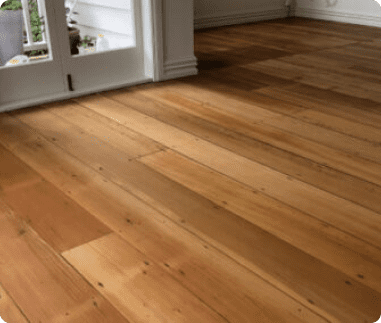
When it comes to achieving a stunning, long-lasting finish on your timber floors, one of the biggest decisions homeowners face is whether to go for oil vs. water-based polyurethane, or any other base for your floor finishing.
The two finishes protect hard wood floors while improving their appearance, but their unique properties result in different visual and tactile effects that require distinct maintenance procedures.
If you’re exploring professional floor restoration or floor varnishing services in Auckland, understanding these differences is essential to choosing the right finish for your home.
Let’s break down what each type offers, how they compare in terms of appearance and performance, and which might be best for your project.
What Is Polyurethane?
When it comes to floor restoration in Auckland, polyurethane is the first thing that comes into homeowners’ minds, as it serves as a protective coating that timber floors receive after they complete the sanding and cleaning process.
The material creates a robust defensive barrier that protects against scratches, moisture, stains, and normal use. Polyurethane exists in two primary forms:
- The traditional oil-based polyurethane functions as a solvent-borne finishing product.
- The water-based polyurethane functions as a contemporary, environmentally friendly finishing system that uses water to distribute its components.
These two substances provide protection to wood, but their visual appearance, time until they dry, length of life, and cleaning requirements show distinct variations.
The complete differences between these two options will be discussed in the following sections.
Oil vs. Water-Based Polyurethane: Pros and Cons
Oil-based polyurethane has been the go-to choice for many years due to its durability and warm, classic appearance.
Pros of Oil-Based Finishes
Enhanced Warmth and Depth. Oil-based polyurethanes create a light amber tint when they cure, which produces a warm glow that intensifies with time to create an authentic hardwood appearance that homeowners find attractive. The amber hue of this product creates a better match with dark wooden materials than with other types of wood.
Strong Protective Layer. The toughness of oil-based coatings establishes their reputation as durable protective solutions. The surface materials provide strong defence capabilities against various types of damage, which makes them suitable for use in areas that experience heavy pedestrian traffic, such as living rooms, hallways, and kitchens.
Fewer Coats Needed. The thickness of oil-based products enables users to achieve effective protection with fewer application layers. The professional work process becomes easier for workers, while project execution requires less time with this particular solution.
Cons of Oil-Based Finishes
Longer Drying and Cure Times. The drying and curing processes of oil-based polyurethanes require extended time periods for completion. The application process requires between 8 and 12 hours for each coat, while full curing needs several days. This process creates a challenge for homes that continue their daily activities during work.
Strong Odour and VOCs. The solvent content of oil-based finishes releases volatile organic compounds (VOCs), which create a powerful odour that persists during application and curing. The process needs proper ventilation, but most people choose to leave their house during the application.
Colour Changes Over Time. The ambering effect can be a pro or a con. The warmer tone of lighter woods will create unexpected results. Water-Based Polyurethane: Clear, Fast, and Modern.
Water-based polyurethane is the newer, more eco-friendly finish that has grown rapidly in popularity across New Zealand, especially for contemporary interiors and light-coloured timbers.
Pros of Water-Based Finishes
Crystal-Clear Appearance. Water-based polyurethane maintains its clear appearance after drying because it differs from oil-based poly. The treatment enables lighter woods to keep their original colour because the process prevents yellowing, which makes it ideal for contemporary homes with blonde timber flooring.
Low Odour and Low VOCs. Home environments become safer when people use water-based products because these products release only small amounts of solvents, which create minimal odours and produce reduced toxic emissions.
Quick Drying Time. The fast-drying process enables multiple coating applications to occur within one day, which significantly speeds up your project timeline.
Easier Cleanup. The professional teams experience easier work because water allows them to clean tools and brushes, which streamlines their work from preparation to cleaning after finishing the job.
Cons of Water-Based Finishes
More Coats Required. Water-based polyurethanes need more application layers to reach the same durability level that oil-based finishes provide because water-based polyurethanes need more application layers.
Slightly Less Depth. Some homeowners believe water-based finishes lack the same depth and lustre that oil-based finishes provide, despite their clear and beautiful appearance.
Slightly Higher Cost. The advanced resin technology used in modern waterborne coatings makes them more expensive than traditional options.
Comparing Durability and Maintenance
When it comes to durability, both finishes perform admirably under everyday wear, but there are subtle differences:
- Water-based polyurethane is harder and more chemically resistant, making it easier to maintain over time. It resists scratches and regular cleaning quite effectively.
- Oil-based polyurethane tends to be softer but has been traditionally valued for its robust protective shell and propensity to hide minor marks within its amber glow.
Regardless of finish, regular cleaning, occasional polishing, and periodic recoating will maximise your floor’s lifespan. Check our latest article on how to maintain your newly sanded & varnished timber floor to learn more.
Choosing the Right Finish for Your Auckland Home
- The combination of warm traditional indoor spaces requires oil-based finishes, which provide both depth and character to the room.
- The water-based poly product protects natural timber colour for spaces designed with modern light decor.
- The use of water-based products allows for faster recoating since they enable quick project completion.
- The water-based product works well for active homes because it contains both low VOCs and low odour.
While both options show similar performance in high-traffic areas, experts will select the best option based on your specific usage requirements.

Ready to Transform Your Floors?
Homeowners often face difficulties when they need to choose between using oil-based polyurethane or water-based polyurethane.
The selection of oil-based or water-based finishes requires expert guidance because their different finishes create distinct results according to your choice between the two options.
Moreover, with the right knowledge on maintaining your polished wood floors, rest assured, you don’t have to worry about early signs of deterioration. Contact Floorsanding NZ today for a free quote and personalised advice on the best finish for your timber floors. Our company will help you reveal your home’s aesthetic appeal through our permanent, high-quality results!